Cultural insights into gambling How beliefs shape our perceptions and practices
The Historical Context of Gambling Beliefs
Throughout history, gambling has been intertwined with various cultures, often reflecting societal values and norms. In ancient civilizations, games of chance were not merely pastimes but were often connected to religious or spiritual beliefs. For instance, the Romans used dice games during festivals to honor their gods, demonstrating how deeply embedded gambling is within cultural frameworks. These historical practices laid the foundation for how modern societies perceive gambling, linking it to both fortune and fate. Today, platforms like nightwin.me.uk exemplify how cultural insights influence contemporary gaming experiences.

In many cultures, gambling has also served as a means of social bonding and community engagement. For instance, in traditional Chinese culture, games like Mahjong have fostered connections among families and friends during gatherings. This social aspect has led to a perception of gambling as a communal activity, further shaping how societies view risk-taking and fortune. The historical context highlights that gambling is not just an individual endeavor but a reflection of collective beliefs.
As societies evolved, so did the perceptions surrounding gambling. In the Middle Ages, the Catholic Church condemned gambling, associating it with sin and moral decay. This shift in belief contributed to the stigmatization of gambling in various European societies, leading to a more cautious approach towards games of chance. Understanding these historical beliefs provides insight into contemporary gambling practices, revealing how deeply-rooted cultural perspectives continue to influence attitudes today.
Cultural Variations in Gambling Practices
Different cultures exhibit diverse gambling practices, each shaped by unique beliefs and social customs. In the United States, for example, gambling is often viewed as a form of entertainment, with casinos serving as popular destinations for leisure activities. This perception contrasts sharply with countries like Japan, where traditional games such as Pachinko hold significant cultural importance and are often intertwined with national identity. These variations underscore that gambling is far more than just a game of chance; it is a reflection of cultural values and social structures.
Moreover, the legality of gambling varies widely across the globe, influenced by cultural beliefs and government policies. In countries like the UAE, gambling is strictly prohibited due to religious beliefs, illustrating how morality can dictate gambling practices. Conversely, nations like Australia have embraced gambling, with regulations in place to promote responsible gaming. These differences highlight the complex interplay between cultural beliefs and gambling practices, revealing how societal values can shape legal frameworks and individual behaviors.
The cultural lens through which gambling is viewed also influences the types of games that gain popularity. In many Western countries, slot machines and poker are prevalent, whereas traditional betting games like Sic Bo are more favored in Asian cultures. This divergence not only reflects personal preferences but also reveals underlying beliefs about luck, skill, and community involvement. As such, understanding these cultural variations is essential for grasping the broader implications of gambling practices worldwide.
The Psychological Impact of Gambling Beliefs
Beliefs about gambling can have profound psychological effects on individuals, shaping their experiences and behaviors. For instance, the belief in luck can significantly influence a person’s willingness to participate in gambling activities. Many gamblers attribute their wins to good fortune, while losses are often rationalized as part of the game. This cognitive dissonance allows individuals to continue gambling despite negative outcomes, driven by the hope that luck will eventually favor them. Such beliefs play a crucial role in perpetuating the gambling cycle.
Additionally, societal beliefs surrounding gambling can affect self-perception and identity. In cultures where gambling is celebrated as a form of entertainment, individuals may embrace their identity as gamblers with pride. Conversely, in societies that stigmatize gambling, individuals may experience shame and secrecy about their gambling activities. This variance in self-perception can lead to differing levels of engagement in gambling practices, further highlighting the psychological consequences of cultural beliefs.
The role of family and community beliefs also cannot be overlooked. In cultures where gambling is normalized, individuals may feel a sense of belonging and acceptance, while in those that view it negatively, individuals may struggle with feelings of isolation. This social reinforcement can affect gambling behavior, leading some to gamble more freely while others may refrain altogether. Understanding these psychological impacts is essential for addressing gambling behaviors and promoting responsible practices in various cultural contexts.
The Role of Media and Celebrity Influence
The portrayal of gambling in media significantly shapes public perception and cultural beliefs about the activity. Films, television shows, and advertisements often glamorize gambling, presenting it as an exciting and potentially lucrative endeavor. Celebrities who endorse casinos or participate in high-stakes games further enhance this narrative, contributing to a belief that gambling is synonymous with success and glamour. Such representations can influence individuals’ willingness to gamble, often leading to unrealistic expectations about outcomes.
Moreover, the increasing visibility of online gambling platforms has created new dynamics in how gambling is perceived. Influencers and public figures who engage with online casinos can impact their followers’ beliefs about the legitimacy and excitement of gambling. This phenomenon can lead to a normalization of gambling behavior, especially among younger audiences, who may be more susceptible to adopting the beliefs and practices of their favorite celebrities.
However, this glamorization often obscures the potential risks and challenges associated with gambling. By focusing primarily on the excitement and thrill, media portrayals can create a false sense of security, leading individuals to underestimate the potential for addiction or financial loss. Understanding the influence of media and celebrity culture is crucial for developing a balanced perspective on gambling, prompting discussions about responsible practices and awareness of risks.
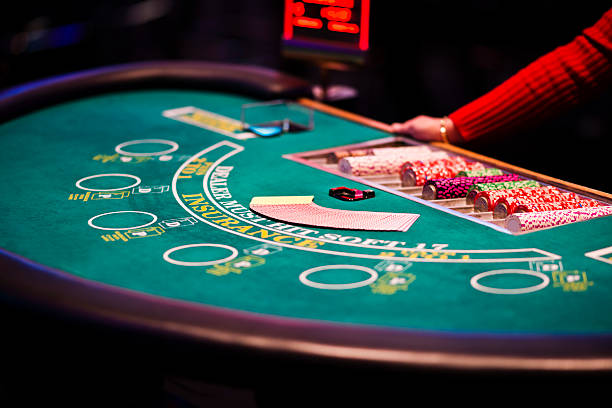
Nightwin Casino: A Reflection of Cultural Gambling Practices
Nightwin Casino, set to launch in 2026, represents a modern interpretation of gambling that integrates cultural insights into its platform. With its extensive selection of games and user-friendly interface, it aims to cater to diverse gambling beliefs and practices. By offering a secure environment under the Curaçao Gaming Authority, Nightwin Casino ensures that players can engage with their preferred gambling activities while enjoying peace of mind.
Moreover, Nightwin Casino recognizes the significance of cultural diversity in gambling. By providing a wide array of games, including slots and live dealer experiences, it reflects the preferences and practices of various cultures. This approach not only enhances the user experience but also acknowledges the role of cultural beliefs in shaping individual preferences for gaming activities.
As Nightwin Casino prepares to enter the online gaming market, it aims to promote responsible gambling practices and create an engaging community for players. By understanding the cultural insights surrounding gambling, Nightwin Casino seeks to foster a positive environment that respects individual beliefs while encouraging a healthy approach to gaming. This commitment to cultural awareness positions Nightwin Casino as a forward-thinking platform in the evolving landscape of online gambling.